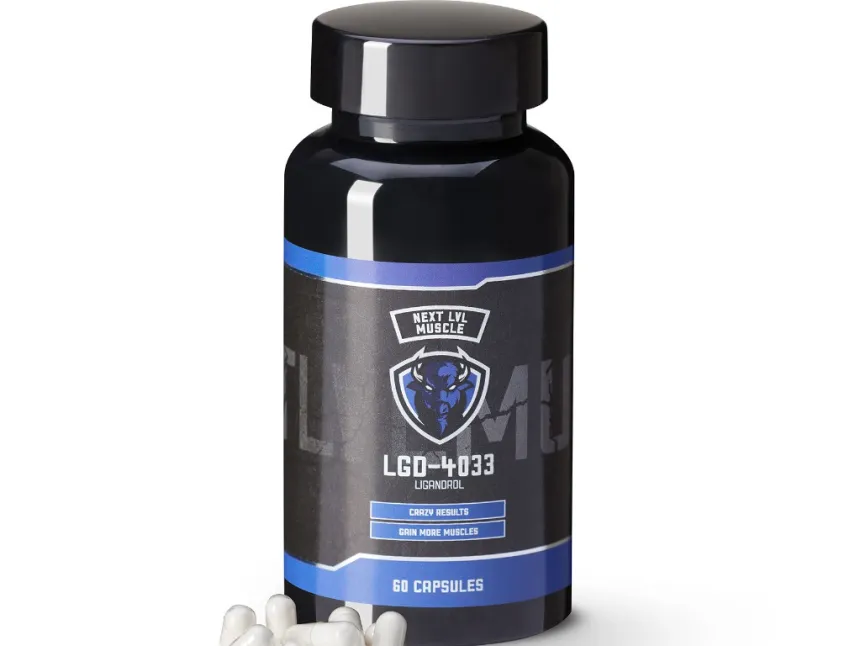
Buy LGD-4033 (Ligandrol) Capsules Online
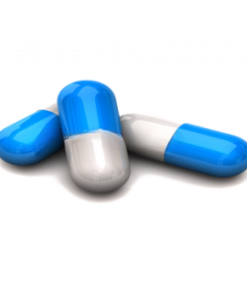
Buy LGD-4033, commonly known as Ligandrol, is a selective androgen receptor modulator (SARM) developed to treat conditions such as muscle wasting and osteoporosis. It is available in capsule form for research purposes.
Chemical Composition and Properties
- Chemical Name: 4-[(2R)-2-[(1R)-2,2,2-trifluoro-1-hydroxyethyl]pyrrolidin-1-yl]-2-(trifluoromethyl)benzonitrile
- Molecular Formula: C₁₄H₁₂F₆N₂O
- Molecular Weight: 338.3 g/mol
- CAS Number: 1165910-22-4
- Chemical Structure: Ligandrol features a pyrrolidinyl-benzonitrile core with trifluoromethyl and hydroxyl groups, contributing to its selective activity on androgen receptors.
Organic and Inorganic Chemistry
The synthesis of Ligandrol involves complex organic reactions, including the formation of amide bonds and the introduction of trifluoromethyl and hydroxyl functional groups. Precise control over reaction conditions is essential to ensure the purity and efficacy of the final product.
Chemical Biology
In chemical biology, Ligandrol serves as a tool for studying the role of androgen receptors in muscle and bone tissue. By selectively binding to these receptors, Ligandrol mimics the effects of androgens, promoting anabolic activity without the undesirable side effects associated with traditional anabolic steroids.
Computational Chemistry
Computational chemistry techniques, such as molecular docking and dynamic simulations, are employed to model the interaction between Ligandrol and androgen receptors. These studies help elucidate binding affinities and conformational changes induced by the compound, aiding in the design of more effective SARMs.
Environmental Chemistry
While Ligandrol is primarily used in controlled laboratory environments, it is essential to consider its environmental impact. Proper disposal methods should be followed to prevent any potential contamination, adhering to environmental safety guidelines.
Laboratory Equipment and Consumables
Handling Ligandrol requires standard laboratory equipment, including precision balances, glassware, and personal protective equipment (PPE) to ensure safe and accurate experimentation. Consumables such as solvents and reagents used in the synthesis and analysis of Ligandrol should be of high purity to maintain experimental integrity.
Regulation and Safety
As a research chemical, Ligandrol is subject to regulations governing the use of experimental compounds. Researchers must comply with institutional and governmental guidelines, including obtaining necessary approvals and ensuring proper documentation. Safety data sheets (SDS) should be reviewed to understand the hazards associated with Ligandrol, and appropriate safety measures must be implemented during its handling and disposal.
Hazard Statements:
- Ligandrol: Harmful if swallowed. Very toxic to aquatic life with long-lasting effects.
In case of contact with eyes, rinse gently with water for several minutes. If contact lenses are present and easy to remove, do so. For skin contact, wash thoroughly with soap and water. In the event of inhalation, move the affected person to fresh air and ensure easy breathing.
Chemical Informatics
Chemical informatics databases provide comprehensive information on Ligandrol, including its chemical properties, biological activities, and synthesis protocols. Utilizing these resources facilitates efficient research planning and data analysis, contributing to the advancement of knowledge in the field.
In summary, LGD-4033 capsules (Ligandrol) are utilized in research to explore the compound’s effects on androgen receptors and its potential applications in treating muscle wasting and osteoporosis. Due to regulatory concerns and potential safety issues, it is crucial to handle this compound with appropriate precautions and in compliance with all relevant regulations.


Reviews
There are no reviews yet.