
Buy CBD Pellets 25mg Online — High‑Purity Cannabidiol Reference Standard for Analytical and Research Applications
Overview
Buy CBD Pellets 25mg is a phytocannabinoid compound derived from Cannabis sativa L., widely studied for its unique chemical structure, non‑psychoactive nature, and diverse biophysical interactions.
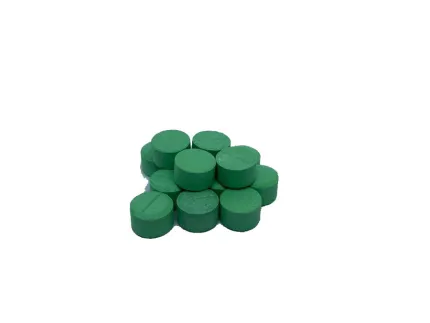
The CBD Pellets (25 mg) are laboratory‑grade reference materials designed for quantitative analysis, chromatographic calibration, computational modeling, and formulation stability research.
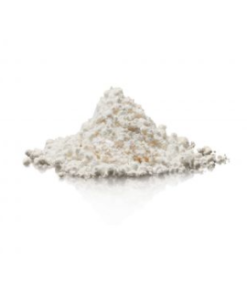
Each pellet contains 25 mg (± 0.2 mg) CBD of ≥ 99 % purity, blended with inert excipients and pressed under ISO‑compliant manufacturing.
⚠️ For research and analytical use only. Not intended for therapeutic or human consumption.
Chemical Identity
- Chemical Name: 2‑[1R,6R)‑3‑methyl‑6‑(prop‑1‑en‑2‑yl)cyclohex‑2‑en‑1‑yl]‑5‑pentylbenzene‑1,3‑diol
- Common Name: Cannabidiol (CBD)
- Molecular Formula: C21H30O2
- Molecular Weight: 314.46 g/mol
- CAS No.: 13956‑29‑1
- Purity: ≥ 99 % (HPLC verified)
- Form: 25 mg pressed pellets
- Grade: Analytical / Reference standard
- Appearance: Off‑white / pale yellow solid
- Storage: Light‑protected, vacuum‑sealed blister or amber vial
Applications Across Chemistry Disciplines
Organic & Inorganic Chemistry
- Key standard in terpenophenolic compound research—features phenolic hydroxyl groups and terpenoid chain, demonstrating hybrid organic functionality.
- Useful for oxidation, hydrogenation, and catalytic coupling reaction studies.
- Benchmark reference for functional group analysis (–OH, C=C, C–O–C) in FTIR and NMR spectroscopy.
- In inorganic chemistry contexts, CBD interacts with transition metals through π‑bond and hydroxyl coordination, offering modeling insights into metal–organic conjugation systems.
Chemical Biology
- Widely used in receptor‑binding simulations (non‑biological assays) to explore ligand conformational behavior.
- Serves as a substrate model for P450‑mediated oxidative metabolism and enzyme‑reaction mechanism studies.
- Employed in lipid bilayer and membrane diffusion simulations for compound permeability analysis.
- Used to examine antioxidant and radical scavenging reactions in controlled biochemical test systems.
Computational Chemistry
- Popular choice for DFT and MD simulations to evaluate π‑π interactions, dipole moments, and hydrogen‑bond networks.
- Featured in quantum chemical datasets for predicting polarizability, electronic density, charge delocalization, and conformational minima.
- Used as a reference molecule in QSAR / QSPR models concerning lipophilicity (Log P) and bioavailability prediction.
- Applied in AI‑assisted compound design as a pharmacophoric scaffold for non‑psychoactive cannabinoids.
Environmental Chemistry
- Analytical reference for trace residue detection in soil, air, and water samples using HPLC–MS/MS.
- Evaluates photodegradation and aerobic biodegradation kinetics in environmental matrices.
- Assists regulatory scientists in developing environmental persistence and toxicity benchmarks for bio‑based organics.
- Used for calibration in GC–MS pesticide/residue profiling within natural products.
Laboratory Equipment & Consumables
Essential Instruments
- HPLC / LC‑MS/MS systems — purity and quantitative profiling
- GC‑FID / GC–MS — volatile component and thermal behavior analysis
- ¹H and ¹³C NMR — chemical shift and hydrogen bonding confirmation
- FTIR / UV‑Vis spectrophotometer — functional group fingerprinting
- Differential Scanning Calorimeter (DSC) — thermal stability mapping
- Microbalance (± 0.1 mg) — precision weighing of pellets
Recommended Consumables
- Amber HPLC vials, PTFE‑lined caps, desiccators, silica gel packs
- HPLC‑grade solvents: methanol, ethanol, acetonitrile
- Micro spatulas, tweezers, disposable filters, pipette tips
- Cleanroom gloves and lab‑grade containers (ISO 17025 certified)
Regulation & Safety
Intended Use
- Scientific and analytical research only; not approved for pharmaceutical use, dietary formulations, or consumer products.
Regulatory Compliance
- CBD from compliant industrial hemp sources (< 0.3 % THC content).
- Manufactured under ISO 9001:2015 / GMP‑like quality systems.
- Ensure region‑specific compliance with FDA, EMA, REACH, and DEA regulations before import or use.
GHS Classification (Indicative)
⚠️ Irritant (Category 2)
⚠️ May cause mild skin or eye irritation
⚠️ Non‑volatile, combustible solid
Handling Precautions
- Use in a ventilated workspace or fume hood.
- Wear nitrile gloves, safety goggles, and lab coat.
- Avoid direct contact and high‑temperature exposure.
- Dispose of residues per EPA / REACH environmental protocols.
- Supplied with Safety Data Sheet (SDS) & Certificate of Analysis (CoA) for traceability.
Chemical Informatics & Data Integration
- Provides SMILES, InChI, and InChIKey identifiers.
- Integrates smoothly into LIMS, ELN, and cheminformatics databases.
- Compatible with RDKit, ChemAxon, Knime, and Open Babel software workflows.
- Includes computed molecular descriptors: MW, TPSA, log P, Polarizability, H‑bond donor/acceptor counts.
- Ideal for constructing QSAR, machine learning, and predictive solubility/toxicity models.
Analytical & Quality Characterization
- Purity (%): ≥ 99.0 by HPLC
- FTIR: O–H stretch ~ 3400 cm⁻¹; C=C aromatic ~ 1610 cm⁻¹; C–H stretch ~ 2950 cm⁻¹
- ¹H / ¹³C NMR: Spectra consistent with reference CBD profiles
- GC‑MS: Molecular ion 314 m/z confirmed
- Thermal Stability: Onset ≥ 65 °C (no decomposition ≤ 100 °C)
- Moisture Content: < 0.2 % (Karl Fischer)
Storage & Stability
- Store at 15–25 °C, in dry, dark, inert atmosphere.
- Avoid direct sunlight and air exposure.
- Recommended storage in amber vials with desiccant.
- Shelf life: 24 months if unopened under controlled conditions.
SEO Keywords (Optimized)
Be the first to review “CBD Pellets 25mg”
Related products

Research Chemicals
Research Chemicals

Research Chemicals

Research Chemicals
Research Chemicals

Research Chemicals

Research Chemicals

Research Chemicals
Reviews
There are no reviews yet.