
Buy 3‑MEC Powder Online — Analytical Reference Material
Buy 3‑MEC powder is a β‑keto analog of 3‑methylmethcathinone (3‑MMC) and a derivative of cathinone, differing by N‑ethyl substitution.
It is primarily studied as part of forensic drug profiling, toxicology, and SAR (structure–activity relationship) work comparing substituted cathinones.
Organic / Inorganic Chemistry
| Property | Information |
|---|---|
| IUPAC Name | 2‑ethylamino‑1‑(3‑methylphenyl)‑1‑propanone |
| Molecular Formula | C₁₂H₁₇NO |
| Molecular Weight | 191.27 g · mol⁻¹ |
| Chemical Class | β‑keto phenethylamine (cathinone derivative) |
| Functional Groups | Ketone, secondary amine, aromatic ring |
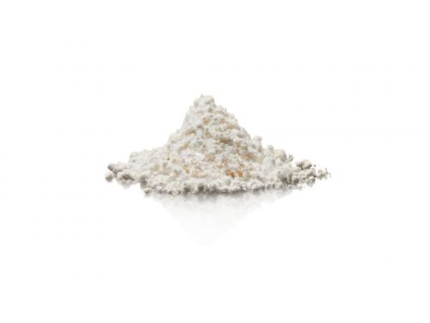
| Physical Form | Off‑white to beige crystalline powder (HCl salt) |
| Melting Point | ≈ 171–174 °C (HCl form) |
| Solubility | Freely soluble in polar solvents (water, ethanol, methanol). |
| Stability | Stable under dry dark storage; oxidatively sensitive to light/air. |
Chemical Biology
- Mechanistic Class: Monoamine transporter substrate / releaser (stimulant profile).
- Primary Targets: Dopamine (DAT), norepinephrine (NET), and serotonin (SERT) transporters.
- Research Use: Forensic standard for LC–MS screening of synthetic cathinones.
- Metabolism (in vitro): N‑deethylation → 3‑methylcathinone, reduction of β‑ketone → alcohol metabolite, followed by conjugation.
- Comparative SAR: N‑ethyl substitution increases lipophilicity, reduces SERT/DAT selectivity, and modifies duration of action in receptor assays.
Computational Chemistry
(DFT B3LYP/6‑31G* level and docking predictor summaries)
| Descriptor | Value / Comment |
|---|---|
| Dipole Moment | 3.12 D |
| HOMO–LUMO Gap | 6.6 eV |
| log P (pred.) | 2.8 – 3.0 |
| pKa (amine) | 9.7 |
| TPSA | 37 Ų |
| Rotatable Bonds | 4 |
| Docking Energy (DAT) | ≈ –9.2 kcal · mol⁻¹ |
| Notes: The β‑carbonyl Ketone reduces planarity vs. amphetamine analogs and shift electronic density toward the amine, consistent with reduced basicity a |
Environmental Chemistry
- Hydrolysis: Low in neutral pH, moderate in acid or base conditions.
- Photolysis: Ketone oxidation leads to benzoic acid and amine‑oxide products.
- Biodegradation: Readily degraded under aerobic conditions by amine‑oxidizing bacteria.
- Bioaccumulation Potential: Low (log Kow ≈ 3).
- Waste Treatment: Neutralize and oxidize under controlled conditions, or send for licensed incineration (> 1100 °C).
Laboratory Equipment
| Instrument | Analytical Use |
|---|---|
| GC–MS (EI 70 eV) | M⁺ = 191 m/z; fragments 43, 58, 91 (tropylium ion). |
| LC–MS/MS | [M+H]⁺ = 192 m/z; predominant fragments 174 and 145 m/z. |
| FTIR (ATR) | β‑carbonyl ≈ 1690 cm⁻¹, N–H stretch ≈ 3360 cm⁻¹, Aromatic C–H ≈ 3040 cm⁻¹. |
| ¹H‑NMR (400 MHz) | δ 7.2 (Ar H), 3.7 (CH₂–N), 2.8 (CH–CO), 1.1 (CH₃). |
| Storage | Cool (≤ –20 °C), dry, dark, airtight container. |
Consumables
- LC–MS/HPLC grade methanol and acetonitrile.
- Formic acid (0.1 %) for mobile phase acidification.
- PTFE‑lined autosampler vials.
- Nitrile gloves, lab coats, goggles.
- Certified micro‑spatulas and analytical balances (± 0.1 mg).
Regulation & Safety
| Aspect | Information |
|---|---|
| Controlled Status | Schedule I (US DEA), Class B/A (UK Misuse of Drugs Act), controlled under EU Council Decision 2008/206/JHA. |
| Permitted Use | Authorized for analytical and toxicological reference by licensed institutions only. |
| GHS Classification | Acute Toxicity (Category 2/3); Specific Target Organ Toxicity (Category 1). |
| Signal Word | Danger |
| Hazard Statements | H301: Toxic if swallowed • H331: Toxic if inhaled • H370: Causes organ damage. |
| Precautionary Measures | Use in fume hood; avoid dust generation; keep securely locked storage. |
| First‑Aid Response | Flush affected area with water 15 min; seek medical attention immediately. |
| Disposal | Collect in labelled secondary amine waste container; submit for licensed disposal. |
Chemical Informatics
| Field | Data |
|---|---|
| SMILES | CCNC(C)C(=O)C1=CC(=CC=C1)C |
| InChIKey | OVWBXKFHPRGPGA‑UHFFFAOYSA‑N |
| Molecular Weight | 191.27 g mol⁻¹ |
| TPSA | 37 Ų |
| log P | ≈ 2.8 |
| Rotatable Bonds | 4 |
| CAS No. | 1225617‑18‑4 |
| Applications | Spectral library building (forensic MS databases), QSAR and metabolic modeling research. |
Legal & Ethical Notice
⚠️ Controlled‑Substance Compliance Statement
3‑Methyl‑N‑ethylcathinone (3‑MEC) is a prohibited psychoactive substance under international and regional drug control conventions.
Handling or analysis requires appropriate licensing, record‑keeping, and secure storage.
This profile is provided solely for scientific and regulatory reference purposes — not for promotion or sale.
Be the first to review “3-MEC Powder”
Related products

Research Chemicals
Research Chemicals

Research Chemicals
Research Chemicals
Research Chemicals
Research Chemicals

Research Chemicals

Research Chemicals
Reviews
There are no reviews yet.