
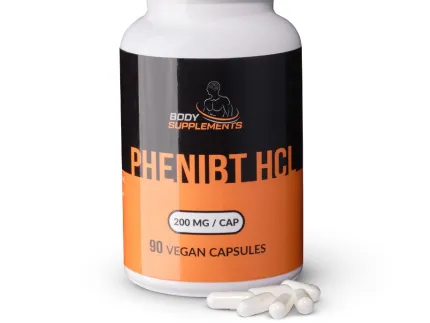
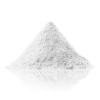
Buy Phenibut HCL Vega Caps 200mg Online
Buy Phenibut HCL Vega Caps 200mg, chemically known as 4-amino-3-phenylbutyric acid hydrochloride, is a synthetic compound structurally similar to the neurotransmitter gamma-aminobutyric acid (GABA). It has been studied for its potential anxiolytic and nootropic effects. However, it’s important to note that Phenibut is not approved for use in dietary supplements in the United States. The U.S. Food and Drug Administration (FDA) has determined that Phenibut does not meet the statutory definition of a dietary ingredient, rendering any dietary supplements containing Phenibut misbranded.
Chemical Composition and Properties
- Chemical Name: 4-Amino-3-phenylbutyric acid hydrochloride
- Molecular Formula: C₁₀H₁₄ClNO₂
- Molecular Weight: 215.68 g/mol
- CAS Number: 1078-21-3
- Chemical Structure: Phenibut HCl consists of a phenyl ring attached to a GABA molecule, with a hydrochloride group enhancing its solubility.
Organic and Inorganic Chemistry
The synthesis of Phenibut involves the addition of a phenyl group to the GABA structure, creating a compound that can cross the blood-brain barrier more effectively than GABA itself. This modification enhances its central nervous system activity.
Chemical Biology
In chemical biology, Phenibut has been explored for its potential to modulate GABA receptors, thereby exhibiting anxiolytic and nootropic effects. However, its use is associated with risks, including dependence and withdrawal symptoms.
Computational Chemistry
Computational studies have been conducted to understand the binding affinity of Phenibut to GABA receptors, aiding in the development of related compounds with improved safety profiles.
Environmental Chemistry
While Phenibut is primarily used in controlled laboratory environments, proper disposal methods should be followed to prevent environmental contamination, adhering to safety guidelines.
Laboratory Equipment and Consumables
Handling Phenibut requires standard laboratory equipment, including precision balances, glassware, and personal protective equipment (PPE) to ensure safe experimentation. Consumables such as solvents and reagents used in the synthesis and analysis of Phenibut should be of high purity to maintain experimental integrity.
Regulation and Safety
Phenibut is not approved for use in dietary supplements in the United States. The FDA has issued warnings to companies marketing Phenibut as a dietary supplement, stating that it does not meet the statutory definition of a dietary ingredient. Additionally, Phenibut has been associated with adverse effects, including dependence, withdrawal symptoms, and, in severe cases, coma and death.
Chemical Informatics
Chemical informatics databases provide comprehensive information on Phenibut, including its chemical properties, biological activities, and synthesis protocols. Utilizing these resources facilitates efficient research planning and data analysis, contributing to the advancement of knowledge in the field.
In summary, while Phenibut HCl has been studied for its potential effects on the central nervous system, it is not approved for use in dietary supplements in the United States due to safety concerns and regulatory issues. Researchers and consumers should exercise caution and adhere to regulatory guidelines when handling or considering the use of Phenibut.
Be the first to review “Phenibut HCL Vega Caps 200mg (90 pcs)”
Related products
Research Chemicals

Research Chemicals

Research Chemicals

Research Chemicals
Research Chemicals

Research Chemicals

Research Chemicals
Research Chemicals
Reviews
There are no reviews yet.