

Buy Deschloroketamine (DCK) 20mg Pellets Online — High‑Purity Arylcyclohexylamine Analytical Standard
Overview
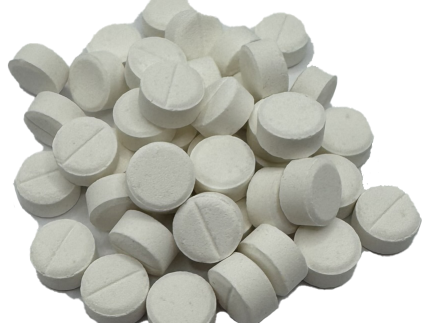
Buy Deschloroketamine (DCK) 20mg pellets — also known as 2‑Oxo‑PCM — is an arylcyclohexylamine derivative designed for scientific research and analytical reference purposes.
These 20 mg pellets contain accurately measured quantities of DCK (≥ 98 % purity), compressed under strictly controlled conditions to ensure dosimetric uniformity for calibration experiments, structural analysis, and computational modeling.
⚠️ For research and laboratory use only. Not for human or veterinary consumption.
Chemical Identity
- Chemical Name: 2‑Oxo‑2‑phenylcyclohexanamine
- Synonyms: Deschloroketamine, DCK, 2‑Oxo‑PCM
- Chemical Class: Arylcyclohexylamine (organic amine‑ketone)
- Molecular Formula: C13H17NO
- Molecular Weight: 203.28 g/mol
- Purity: ≥ 98 % (HPLC & GC–MS verified)
- Form: 20 mg pellets (± 0.5 mg variance)
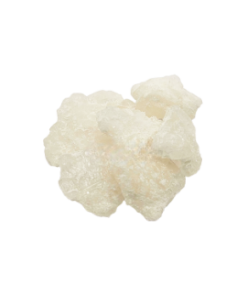
- Appearance: White / off‑white compressed mini‑pellets
- Grade: Analytical / Reference standard
- Packaging: Amber pharmaceutical‑grade blister or screw‑cap vial (nitrogen sealed)
Applications Across Chemistry Disciplines
Organic & Inorganic Chemistry
- Established model compound for the arylcyclohexanone series, supporting kinetic and mechanistic analysis of amine–carbonyl equilibria.
- Used in organic reaction mechanism studies, including reduction, oxidation, and enamine formation.
- Enables spectroscopic comparison standards for carbonyl (C=O) and secondary amine (N–H) infrared and NMR peaks.
- In inorganic chemistry, DCK serves as a test ligand for metal‑amine complex formation and chelate stability investigations.
Chemical Biology
- Supports enzyme‑mimetic metabolic modeling (non‑biological conditions) to simulate phase I oxidation and phase II conjugation reactions.
- Used in partition‑coefficient / log P determination and membrane permeability simulations for predictive ADMET workflows.
- Facilitates quantitative biomarker calibration in non‑clinical studies of arylcyclohexylamine degradation.
- Assists in the refinement of structure–activity relationships (SARs) related to aromatic ring and amine group alterations.
Computational Chemistry
- Benchmark for Density Functional Theory (DFT) energy minimization, HOMO–LUMO gap derivation, and electrostatic potential mapping.
- Applied in Molecular Dynamics (MD) studies of stereochemical conformations and vibrational flexibility.
- Commonly featured in machine learning datasets for QSAR / QSPR and quantum descriptor modeling of amine–ketone systems.
- Integrated into predictive cheminformatics algorithms for electronic structure and dipole moment analysis.
Environmental Chemistry
- Used as a calibration standard for LC–MS/MS or GC–MS environmental residue analysis.
- Ideal for studies on biotransformation rate, hydrolytic stability, and photo‑degradation kinetics.
- Assists environmental chemists in evaluating partitioning behavior (Koc, Kow) and adsorption potential in soil matrices.
- Aids in the development of pollutant trace detection protocols for nitrogen‑rich aryl organics.
Laboratory Equipment & Consumables
Recommended Instruments
- Chromatography: HPLC, LC–MS/MS for quantitative analysis
- Spectroscopy: ¹H/¹³C NMR, IR (FTIR), UV–Vis for structural confirmation
- Mass Analysis: GC–MS or Orbitrap MS for molecular ion confirmation
- Thermo‑analytical tools: DSC/TGA for melting & decomposition profiling
- Microbalance: accuracy ± 0.1 mg for pellet weighing
Recommended Consumables
- PTFE‑lined vials, glass desiccators, inert gas (N₂ / Ar) for storage
- Solvents: HPLC‑grade methanol, acetonitrile, ethanol
- Handling tools: tweezers, spatulas, micro sample tubes
- Laboratory consumables must conform to ISO 17025 or GLP quality assurance standards.
Regulation & Safety
Intended Use
- For analytical and research purposes only—not approved for therapeutic or diagnostic use.
Regulatory Status
- DCK may fall under national controlled substance analog laws depending on jurisdiction.
- Always verify local regulations before acquisition, storage, or interlaboratory transfer.
Indicative GHS Classification
⚠️ Acute Toxicity (Category 4)
⚠️ Skin/Eye Irritation (Category 2)
⚠️ Aquatic Toxicity (Chronic Category 3)
Precautionary Measures
- Handle only in fume hood with appropriate PPE (gloves, goggles, lab coat).
- Avoid dust generation; use enclosed sample containers.
- Dispose of residues under EPA / REACH / CLP hazardous waste guidelines.
- Accompanied by Safety Data Sheet (SDS) and Certificate of Analysis (CoA) for each batch.
Chemical Informatics & Data Integration
- Distributed with SMILES, InChI, and InChIKey identifiers for digital registration systems.
- Metadata formatted for cheminformatics databases, QSAR engines, and LIMS/ELN pipelines.
- Compatible with ChemAxon Marvin, RDKit, Knime, and Open Babel.
- Includes molecular descriptors (MW, TPSA, rotatable bonds, polarizability, log P, hydrogen‑bond donors/acceptors).
- Suitable for AI‑driven chemical property predictions, QSPR datasets, and reaction path simulations.
Analytical & Quality Control
- Purity: ≥ 98 % (by HPLC assay)
- Mass Spectrometry: m/z 203 (M⁺ ion consistent with theoretical value)
- FTIR: C=O stretch ~ 1710 cm⁻¹; N–H stretch ~ 3300 cm⁻¹
- ¹H/¹³C NMR: Chemical shifts consistent with reference literature
- Moisture content: < 0.2 % (Karl Fischer)
- Stability: verified through thermal cycling test (20–60 °C)
Storage & Stability
- Store sealed below 25 °C in dry, inert conditions.
- Protect from moisture and direct light.
- Recommended storage medium: amber vial under nitrogen.
- Shelf life: 24 months under controlled storage conditions.
SEO Keywords (Optimized)
Be the first to review “DeschcloroKetamine (DCK) Pellets 20mg”
Related products

Research Chemicals

Research Chemicals
Research Chemicals
Research Chemicals

Research Chemicals
Research Chemicals

Research Chemicals
Research Chemicals
Reviews
There are no reviews yet.